
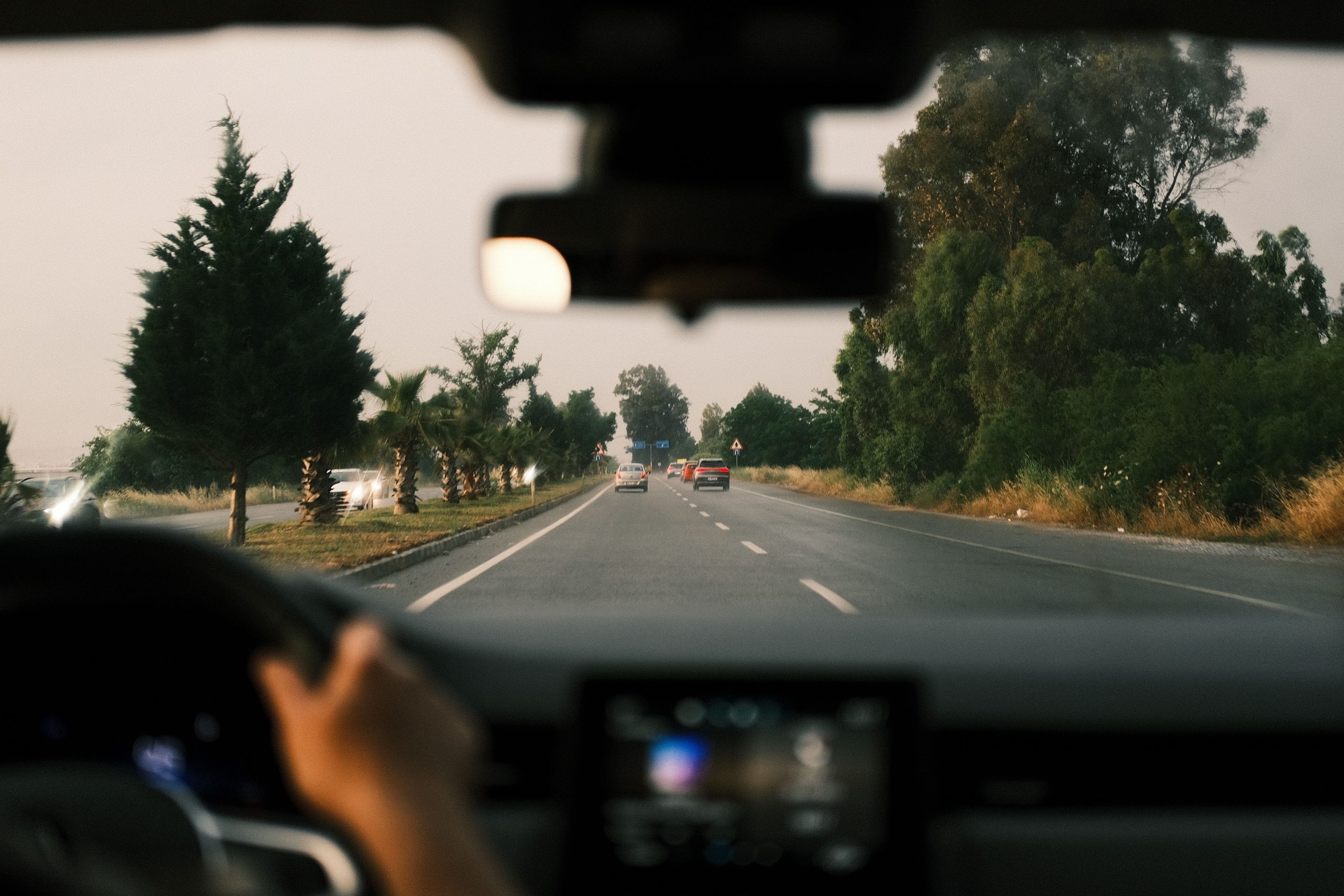
The road is one of the most unpredictable environments most people encounter on a daily basis. No matter how carefully you drive, you cannot control the actions of other drivers, pedestrians, weather conditions, or unexpected hazards. That’s why understanding the importance of defensive driving is essential for every person behind the wheel. Defensive driving is not just a skill — it’s a mindset that prioritizes safety above all else and prepares drivers to respond wisely in any situation.
What Is Defensive Driving?
Defensive driving is a set of driving techniques and mental habits that allow you to anticipate potential dangers and respond to them before they become emergencies. Unlike reactive driving — where you respond after a hazard appears — defensive driving is proactive. It involves constant environmental awareness, appropriate speed management, and a deep respect for road rules and fellow road users.
The concept originated from formal driver training programs and has since been adopted worldwide as a gold standard for road safety. Defensive drivers do not assume that other drivers will always act correctly or predictably. Instead, they prepare for the worst while hoping for the best.
Safe Driving Habits at the Heart of Defensive Driving
Central to the importance of defensive driving is the cultivation of safe driving habits that become second nature over time. These include maintaining a safe following distance, especially at higher speeds, checking mirrors every five to eight seconds, using turn signals well in advance, and avoiding driving in other vehicles’ blind spots.
One of the most underrated safe habits is the practice of scanning intersections before proceeding, even on a green light. A significant percentage of serious accidents happen at intersections when one driver runs a red light. A defensive driver checks both directions regardless of having the right of way. This simple habit can prevent life-altering collisions.
Speed management is another cornerstone of defensive driving. Driving at the speed limit is important, but driving at a speed appropriate for the current conditions — accounting for rain, fog, heavy traffic, or road quality — is even more critical.
Road Safety Awareness Tips That Complement Defensive Driving
Defensive driving and road safety awareness tips work hand in hand to create a holistic approach to safe motoring. Being aware of your surroundings means more than just watching the car ahead of you. It means noticing pedestrians who might step off a curb, cyclists in your path, animals near roadsides, and changes in road surface or signage.
When driving in urban areas, be extra vigilant near schools, parks, and residential neighborhoods where children might unpredictably enter the road. On highways, watch for vehicles merging from on-ramps and give them room to join traffic safely. Recognizing the difference between predictable and erratic driving in vehicles around you helps you decide whether to increase your safety buffer.
Night driving and adverse weather demand heightened road awareness. Reduce speed, increase following distance, and use headlights appropriately. Many drivers underestimate how much longer it takes to stop on wet or icy roads compared to dry pavement.
Distracted Driving Prevention Through Defensive Habits
One of the key benefits that highlights the importance of defensive driving is its role in distracted driving prevention — both your own distraction and that of others. A defensive driver actively manages their own attention, ensuring their phone is silenced, their route is planned, and their mental state is calm before setting off.
But defensive driving also prepares you to deal with distracted drivers around you. If you notice a vehicle swerving or driving inconsistently, you give it a wide berth rather than accelerating past it impatiently. You don’t assume it will self-correct. This proactive spacing gives you the reaction time needed if the other driver suddenly veers into your lane or brakes abruptly.
Decision Making in Driving: The Defensive Advantage
At the heart of defensive driving lies sharp decision making in driving. Every moment on the road involves dozens of micro-decisions — whether to brake, accelerate, change lanes, yield, or hold your position. Defensive drivers develop structured decision-making frameworks that reduce the impact of panic, overconfidence, or poor judgment.
For example, when approaching a yellow light, a defensive driver doesn’t race through it but considers their speed, distance from the intersection, and the traffic conditions. They make a calculated decision rather than an impulsive one. Similarly, when merging onto a highway, they check not just adjacent lanes but also what’s three or four cars ahead, planning for multiple scenarios.
This kind of thoughtful decision-making becomes faster and more instinctive with experience, turning what once required conscious effort into automatic, safe behavior.
The Long-Term Value of Defensive Driving
Beyond preventing accidents, the importance of defensive driving extends to practical long-term benefits. Defensive drivers tend to use their brakes and accelerator more smoothly, resulting in less wear and tear on their vehicles. Smoother driving also improves fuel efficiency. Insurance companies often offer discounts to drivers who complete certified defensive driving courses, recognizing the statistical reduction in accident risk these drivers represent.
Perhaps most importantly, defensive driving builds confidence. Knowing you have the skills and awareness to handle difficult situations makes you a calmer, more resilient driver. This confidence doesn’t breed overconfidence — it breeds competence and respect for the road.
Conclusion
The importance of defensive driving cannot be overstated. It is a commitment to continuous learning, self-awareness, and responsibility that benefits not just the individual driver but every person sharing the road. In a world where distractions are increasing and traffic is growing more complex, defensive driving is the most powerful tool available to keep yourself and others safe. Make it a lifelong practice, not just something you do when conditions seem dangerous — because the road alw

