
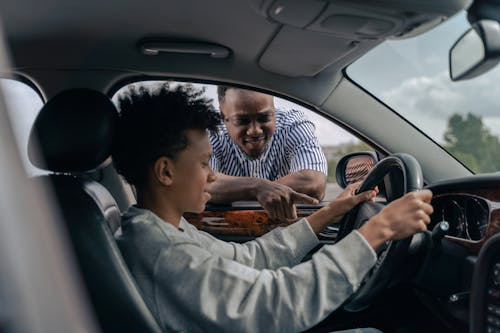
Learning how to teach driving at home can feel like a big responsibility. You want your teen or new driver to feel confident, but you also want them to understand how serious driving really is. A calm, structured approach makes the process safer and easier for both of you.
Home-based driving practice should not replace professional instruction where it is required, but it can strongly support it. With patience, clear expectations, and consistent practice, parents can help new drivers build safer habits from the beginning.
Start With a Clear Plan
Before getting into the car, decide what each practice session will cover. A simple plan keeps the lesson focused and prevents the learner from feeling overwhelmed.
A basic driver training curriculum for home practice can begin with vehicle controls, mirror adjustment, seat position, signals, braking, steering, and speed control. Once the learner becomes comfortable, you can move into turning, lane positioning, intersections, parking, and quiet neighborhood driving.
Do not rush the process. Each skill should be practiced until the learner feels ready for the next step.
Choose the Right Practice Area
The first few sessions should take place in a quiet, open space such as an empty parking lot. This gives the learner room to understand the vehicle without pressure from traffic.
When teaching teens to drive safely, start with low-risk environments. After basic control improves, move to quiet residential streets. Later, introduce busier roads, intersections, and more complex traffic situations.
Gradual exposure helps learners build confidence without unnecessary stress.
Keep Instructions Simple and Calm
Driver education for parents is not only about knowing what to teach. It is also about how you teach it. New drivers often feel nervous, so your tone matters.
Use short, clear instructions. Say what needs to happen before it needs to happen. For example, instead of reacting suddenly, guide them early with calm direction.
After each drive, discuss what went well and what needs work. Avoid turning every mistake into criticism. Clear feedback helps learners improve without losing confidence.
Teach Basic Safety Habits First
Before focusing on advanced skills, make sure the learner understands safety basics. These include wearing a seatbelt, checking mirrors, signaling early, obeying speed limits, scanning the road, and keeping both hands ready to control the wheel.
Learning how to teach driving at home means repeating these habits until they become natural. Safe driving is built through consistency, not one-time reminders.
Parents should also model these behaviors every time they drive. New drivers learn a lot by watching.
Practice Safe Parking Techniques
Parking is one of the areas where new drivers often feel nervous. Begin with simple parking in an empty lot before moving to tighter spaces.
Safe parking techniques include slowing down early, checking mirrors, using signals, watching surroundings, and keeping control of the vehicle at low speed. Practice straight parking first, then angled parking, reversing, and parallel parking when the learner is ready.
Parking improves with repetition. Keep practice sessions short enough to avoid frustration.
Introduce Real Road Situations Gradually
Once the learner can control the vehicle safely, begin adding real-world situations. Practice stopping at intersections, yielding, changing lanes, entering traffic, and reading signs.
A home-based driver training curriculum should move step by step. Do not introduce night driving, bad weather, or heavy traffic too early. These conditions require stronger judgment and confidence.
Teaching teens to drive safely means knowing when to challenge them and when to slow down.
Set Rules for Independent Driving
Before a new driver begins driving alone, set clear rules. Discuss phone use, passengers, speed, night driving, and seatbelt expectations. These rules should feel practical, not random.
This is an important part of driver education for parents because teens need boundaries while they gain experience. Safe independence is built gradually.
Final Thoughts
Learning how to teach driving at home takes patience, structure, and steady communication. Parents can make a major difference by creating a calm learning environment and following a clear practice plan.
With a thoughtful driver training curriculum, strong driver education for parents, repeated practice in safe parking techniques, and a focus on teaching teens to drive safely, new drivers can build skills that last well beyond the driving test.

