
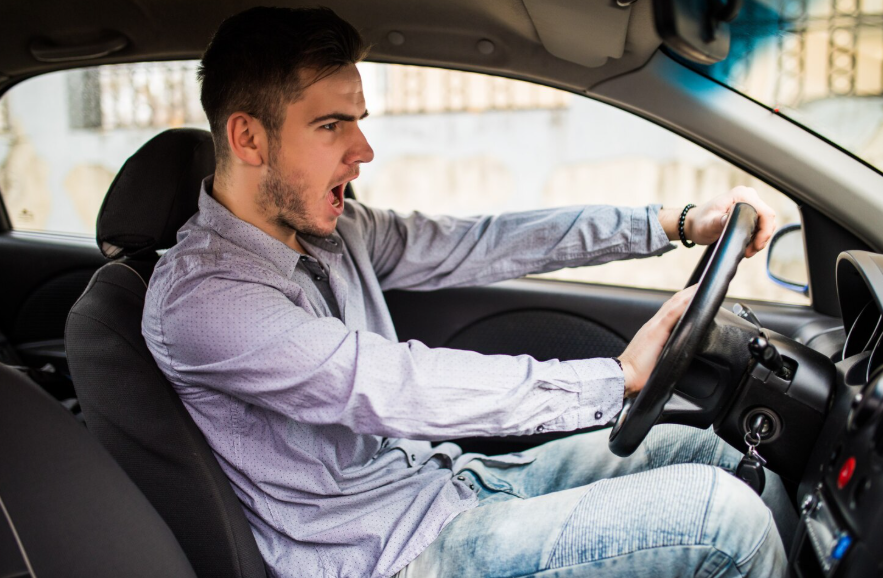
It happens to even the most patient drivers: someone cuts you off, tailgates aggressively, or refuses to let you merge — and suddenly you feel a surge of anger that can cloud your judgment and put everyone on the road at risk. Road rage is a widespread phenomenon that contributes to thousands of accidents and altercations every year. Learning effective road rage management techniques is not a sign of weakness — it’s a mark of emotional intelligence and driving maturity.
Understanding Road Rage: Why It Happens
Road rage is an extreme emotional response to perceived injustice or threat on the road. It can range from aggressive horn-honking and verbal abuse to dangerous tailgating, deliberate cut-offs, and in the most extreme cases, physical confrontations. Understanding why it happens is the first step in managing it.
Common triggers include running late, sleep deprivation, pre-existing stress, heavy traffic, and the anonymity that comes with being inside a vehicle. That last factor is significant: the physical barrier of the car can reduce empathy and increase aggressive behavior in ways that would rarely occur in face-to-face interactions. Recognizing these triggers in yourself allows you to take proactive steps before they escalate.
Driver Psychology and Emotion Control on the Road
Road rage management techniques are fundamentally rooted in driver psychology and emotion control. The brain’s threat-response system doesn’t distinguish well between physical danger and social provocation — being cut off can trigger the same fight-or-flight response as a near-collision, flooding your body with adrenaline and narrowing your thinking to a reactive, aggressive state.
Practicing emotional regulation techniques can help interrupt this cycle. Deep breathing — inhaling for four seconds, holding for four, and exhaling for four — activates the parasympathetic nervous system and physically calms the body’s stress response. Consciously labeling your emotion (“I feel angry right now”) engages the prefrontal cortex, the rational part of the brain, and reduces the intensity of the emotional reaction. These aren’t just mental tricks — they’re neurologically grounded strategies for managing intense feelings behind the wheel.
Practical Road Rage Management Techniques
Beyond emotional regulation, several practical road rage management techniques can defuse situations before they escalate. First, give other drivers the benefit of the doubt. The person who cut you off might be having a medical emergency, be late for an important appointment, or simply made an honest mistake. Attributing bad intent to every traffic infraction keeps your anger alive when it might not be warranted.
Second, create physical distance between yourself and a driver who is behaving aggressively. Slow down, change lanes, or take an exit if necessary. The goal is not to “win” the confrontation but to remove yourself from it. Third, avoid eye contact with an angry driver — in the context of road rage, eye contact can be read as a challenge or provocation.
Never respond to aggression with aggression. Retaliating with your horn, lights, or hand gestures may feel satisfying in the moment but escalates the situation and diverts your attention from safe driving.
Driver Attitude and Behavior: The Root of the Problem
Effective road rage management begins with an honest examination of driver attitude and behavior. Ask yourself: do you routinely feel entitled on the road? Do you react with frustration when others don’t drive the way you think they should? Do you interpret slow drivers as personally annoying you rather than simply driving at their own pace?
Cultivating an attitude of patience and generosity on the road is genuinely transformative. Accept that you will encounter bad driving, delays, and frustrating situations on every journey — and that how you respond is entirely within your control. A driver who approaches the road with humility and goodwill is far less likely to experience or provoke road rage situations.
Safe Driving Habits That Reduce Road Rage Triggers
Many road rage incidents begin because a driver feels they were wronged by someone else’s poor driving. Adopting safe driving habits reduces the likelihood that you will provoke frustration in other drivers. This includes signaling clearly and early, maintaining consistent speed, yielding appropriately, and not hovering in the fast lane when not overtaking.
Leaving earlier for journeys removes the time pressure that makes minor traffic delays feel infuriating. A driver who has ten minutes to spare is far more tolerant of a slow driver ahead than one who is already late. Managing your schedule is, surprisingly, one of the most effective road rage prevention strategies available.
Decision Making in Driving During High-Emotion Situations
When emotions run high, decision making in driving suffers significantly. Studies show that angry drivers take more risks, follow more closely, and make poorer lane-change decisions than calm drivers. This is why road rage is so dangerous — it doesn’t just affect behavior in the confrontation itself but impairs overall driving performance for minutes afterward.
If you feel that anger is genuinely affecting your driving, the safest decision is to pull over safely, give yourself a few minutes to calm down, and resume driving only when you feel in control. This might feel unnecessary or excessive, but it is the most responsible choice available to you in that moment.
Conclusion
Road rage is a serious road safety issue that every driver must actively work to manage. By understanding its psychological roots, practicing emotion regulation techniques, adopting a generous attitude toward other road users, and making deliberate choices to de-escalate rather than retaliate, you can keep yourself and others safe. Road rage management techniques are ultimately about mastering yourself — and that mastery is what separates a truly skilled driver from a merely competent one.

